The guide
A plain, honest guide to how care home marketing really works in 2026: how self-funding families choose a home, where directories and Google reach their limit, and what actually brings the right people through your door.
Filling private, self-funded care home beds is about earning trust, not winning a price comparison. In brief:
The basics
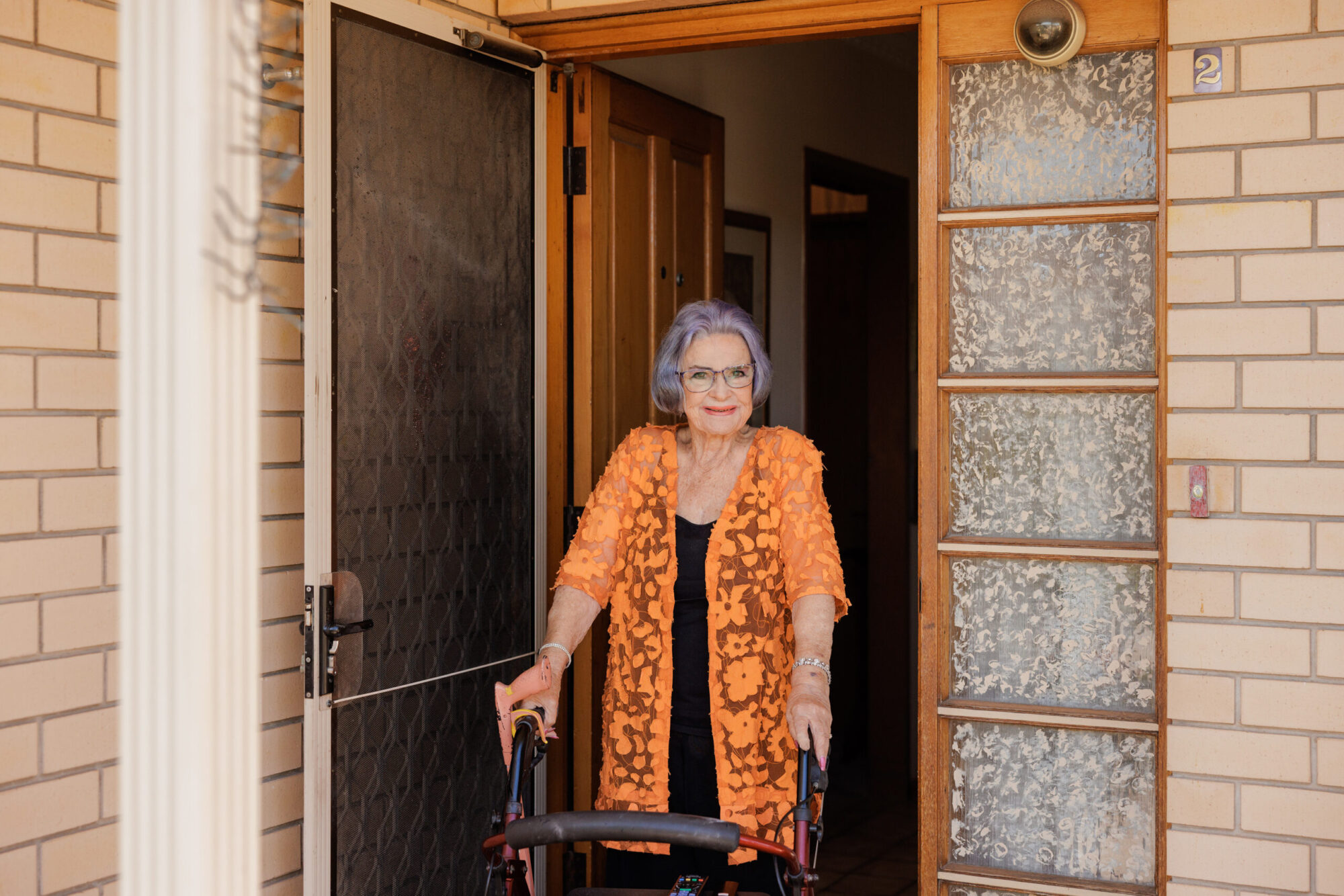
Care home marketing is how a home reaches the families choosing care for a relative, and earns enough trust to be chosen. For private, self-funded beds, that is a very different job from filling local-authority placements. These families are spending their own money and their own conscience, and they decide on feeling far more than on facilities or price.
So the real task is not advertising in the usual sense. It is showing a frightened, loving family what life inside your home is truly like, long before they ever visit.
The decision
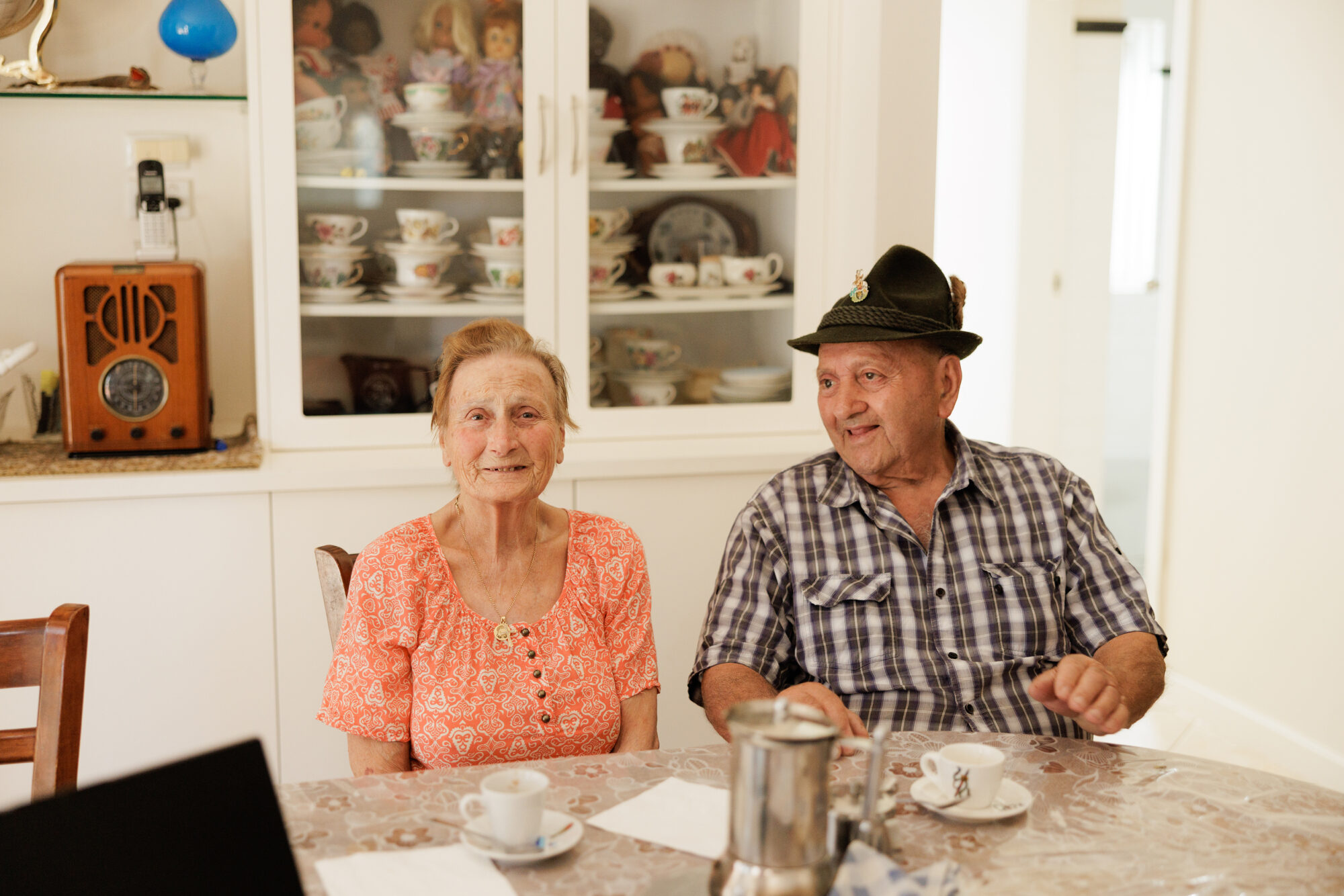
The decision is rarely made by the person moving in. It is usually an adult son or daughter, watching a parent change and carrying the worry largely alone, often with guilt. It is almost never made on a spreadsheet.
What they are looking for is reassurance: that their mum or dad will be safe, known and treated with kindness. Price matters, but it rarely tips the decision. Feeling does. You are not winning a price comparison. You are earning the trust of a family at one of the hardest moments of their life.
The usual routes
Each has its place and each has its uses. But each also has a ceiling when it comes to private occupancy.
They earn you visibility, but they line homes up side by side to be compared on stars, facilities and price. Your home becomes one tile in a grid, and the warmth that sets you apart gets flattened.
Search can work, but it is a bidding war for one or two slots, usually won by whoever spends the most, and it only reaches families at the exact second they search, missing the larger group still working up to it.
Precious, but slow and unpredictable. It cannot be turned up when you have beds to fill this quarter, and it leaves your occupancy to chance.
What actually works
Three things, working together, do the job the old channels cannot.
A real son or daughter, speaking on camera about what your home did for their parent. The most trusted voice in care.
What we show their familiesThe story shown on Meta to local families making the decision now, reaching them earlier and for less than a search slot.
How we find your residentsA calm landing page that turns interest into a real enquiry, with honest tracking of what leads to a move-in.
How we bring families inNot clicks or vanity numbers. Marketing that fills beds is measured on one thing only: residents through the door.
How it is paid for
Traditional agencies charge a retainer whether or not it works. For a home with beds to fill, that is a real risk to take on faith. The model we believe in flips it: we work on results, not a retainer. We carry the production, the editing, the advertising and the funnel, you keep control of your own modest ad budget, and our fee is tied to a resident actually moving in.
It is a higher bar for us, and that is the point. It means we only take on homes we believe we can genuinely help, and our success and yours are tied together from the first day.
Common questions
By earning trust rather than competing on price. The most effective approach is an honest family-story video placed on Meta in front of local families deciding on care, backed by a simple enquiry path. The people choosing are usually adult children looking for reassurance, so marketing that shows real warmth and real stories outperforms listings and price comparisons.
Yes, when it is done with honesty. Meta lets a home reach local families while they are still weighing up care, before they ever search, and put a real family's story in front of them rather than an advert. Because a moving story earns attention on its own, it usually costs less than a Google search slot and reaches people the search channels miss.
They both have their place. Directories give you visibility but reduce every home to a tile compared on stars and price, which hides what makes you different. Google reaches families at the exact moment they search, in a bidding war for one or two slots, and misses the much larger group still working up to the decision.
Truth. A real family member speaking honestly about what your home did for their parent, never scripted, never staged, never AI-generated. Families can feel when something is not real, and trust collapses the moment they do. The strongest films end on relief and reassurance, not fear or guilt.
Every home and local area is different, but filming usually happens within weeks of starting, and campaigns go live once the film is ready. A serious provider will be honest about timelines rather than promise instant results.
It varies by approach. Traditional agencies charge a retainer whether it works or not. A results-based model instead ties the fee to a resident actually moving in, with the home keeping control of its own modest ad budget. The details are best walked through on a call.
Keep reading
Why Facebook and Instagram reach families before they search, and how to advertise without sounding like an advert.
How we find your residentsThe managed Meta campaign that puts your home in front of the local families deciding now.
What we show their familiesWhy a real family's story is the most trusted voice in care, and how we capture it.