The guide
Choose a care sector specialist when you want the sector knowledge to come with the build, and a general web designer when you have that knowledge in-house and the time to brief it. Both routes produce good websites. The difference is not craft, it is how much of your own sector you have to explain before the work starts, and how much of the finished site is shaped by what families actually do.
Updated August 2026
Neither route is a mistake. The mistake is assuming the sector knowledge will appear on its own. In brief:
The starting line
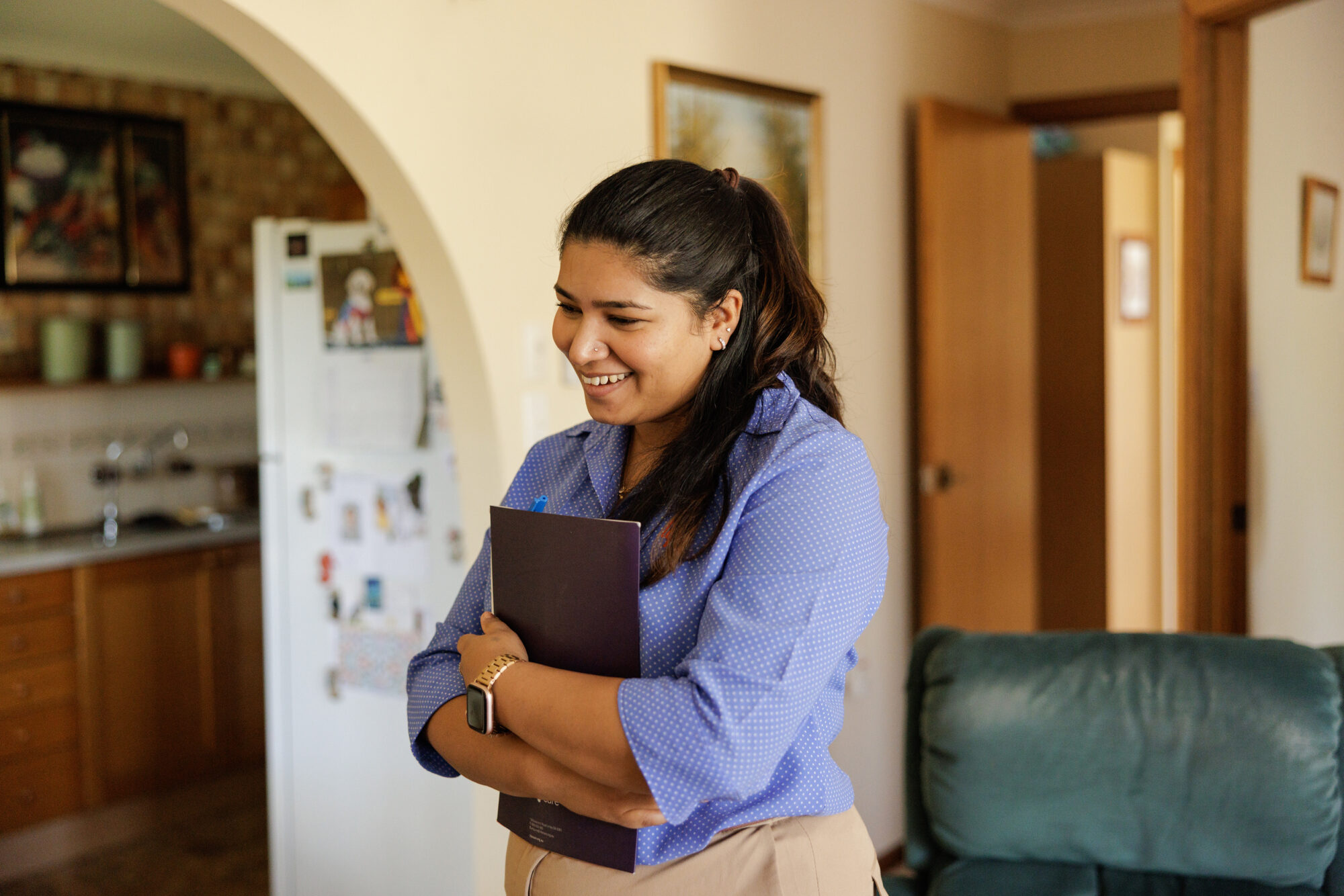
The real difference is the starting line, not the skill. A general web designer arrives with design and build ability and no particular view of your sector, so the first stretch of the project is you teaching them: who the reader is, what a family is frightened of, why a photograph of an empty lounge does nothing, what you can and cannot say.
A care sector specialist arrives with that already loaded and spends the same hours on the site itself. On a good day both routes end up somewhere similar. The difference shows in how much of your week the project takes, and in the decisions nobody thought to raise.
The reader
The person reading is usually not the person moving in. It is typically a close family member, most often an adult child, sometimes a spouse, a sibling, a niece or nephew, a grandchild, and they are usually reading at an odd hour after a difficult few weeks. They are not comparing features. They are looking for permission to feel alright about a decision they did not want to make.
That single fact changes the whole page order. It puts daily life above facilities, real faces above stock imagery, and one clear next step above a contact form buried at the bottom. It matters more than it used to, because occupancy across English care homes has been recovering steadily, from 78% of beds occupied in 2021/22 to 84% in 2024/25 (CQC, State of Care 2024/25). The remaining beds are the hardest ones, and they are usually won by the home that presents itself most honestly and most clearly online.
What changes on the page
None of these are difficult. They are just knowledge, and it either comes with the build or it comes out of your week. They are also most of what a great care home website actually needs to do.
Care homes in England must display their current CQC rating on every website describing their services, no later than 21 calendar days after publication, alongside a link to the latest inspection report (CQC). Where that rating sits, and how it looks when it is not Outstanding, is a design decision, not a compliance afterthought.
carehome.co.uk now publishes more than 400,000 verified care reviews, over 170,000 more than Google holds (carehome.co.uk). Families arrive having already read them, which is why it helps to understand how a directory profile and your own site work together.
Google Search is used by 82% of UK adults and handles around three billion searches a month in the UK, and roughly 30% of searches now return an AI summary above the results (Ofcom). Pages written as plain answers get quoted in those summaries. Brochure copy does not.
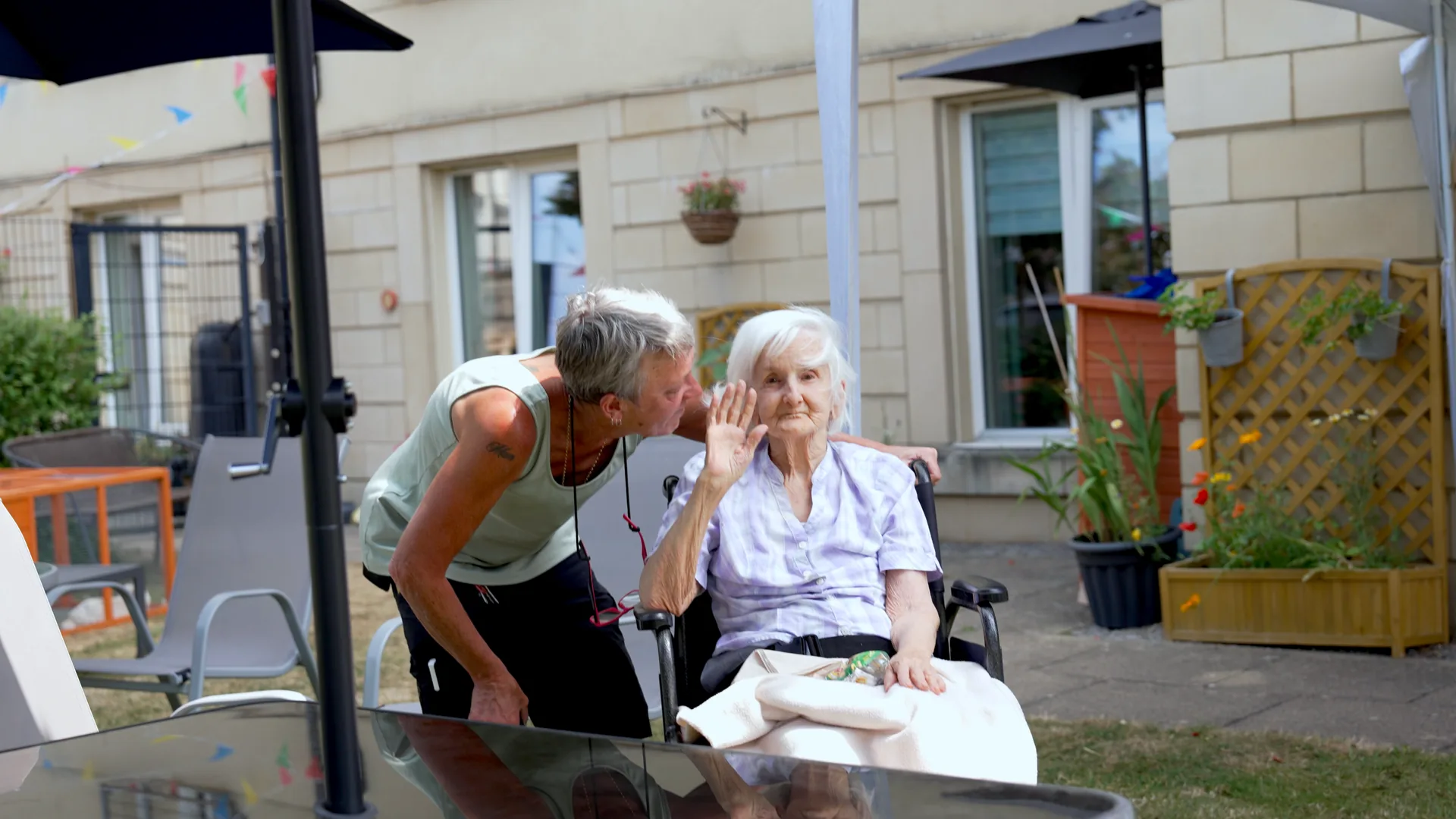
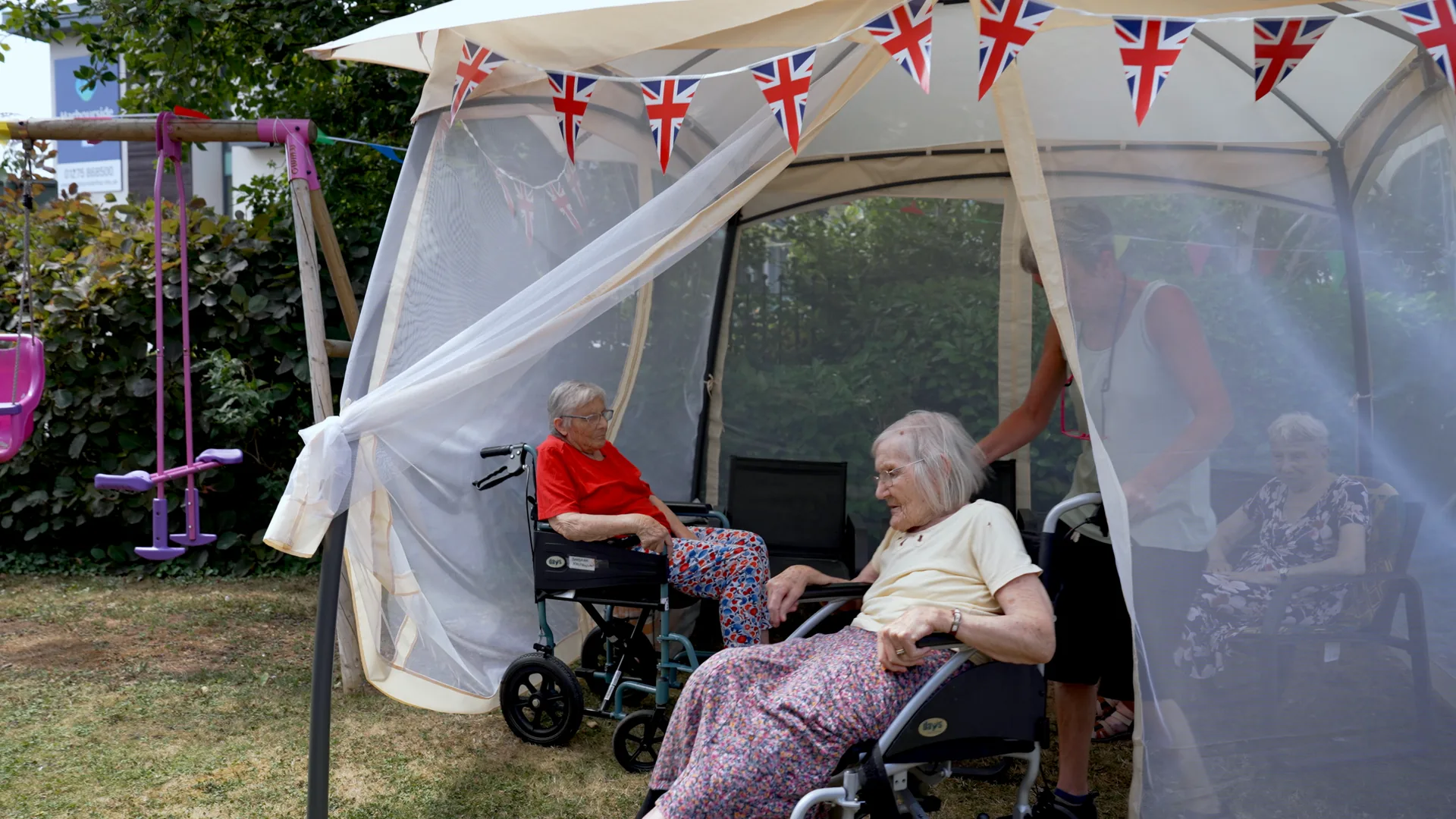
Care is one of the few sectors where the imagery has to be of real residents and real staff, with real consent, and where anything generated or stocked reads as evasive within seconds. That constraint shapes the build, the timeline and the budget, and it is easier to plan for when it is not a surprise.
Where each one fits
Both are good choices in the right situation. What differs is what each one asks of you.
The care sector specialist
A specialist does well when the knowledge arrives with the build, so the conversation starts at what makes your home different rather than what a care home is. Questions get raised that you would not have thought to raise: how to handle a rating that has slipped, what to do with a waiting list, how to write about end of life care without frightening a reader, how to make an enquiry feel like a small step rather than a commitment. The ceiling here is narrower experience outside care. If you want something unusual, a booking platform or a complex intranet, a general studio may have the broader range.
Side by side
| Care sector specialist | General web designer | |
|---|---|---|
| Starting knowledge | Families, regulator and enquiry behaviour already understood | Design and build ability, sector learned from you |
| Your time required | Lower, most of the briefing is already done | Higher, you supply the sector context |
| Regulatory detail | Rating display and inspection links planned in | Needs to be specified by you |
| Imagery approach | Built around real residents and staff, with consent | Depends on the brief you give |
| Breadth outside care | Narrower by design | Often wider |
| Best fit | Homes without an internal marketing lead | Groups with a strong internal marketing lead |
Pricing and questions
Price tracks scope, not job title, so compare the models rather than the labels. A specialist is not automatically dearer and a generalist is not automatically cheaper, because the same site with a capture day costs more than the same site without one whoever builds it.
A one-off build you own outright versus an ongoing retainer. A refresh of an existing site versus a full build including a photography and filming day at the home. Related: whether to build it yourself on a template or have it built for you.
Ask whether the finished site, the words and the images belong to you afterwards, and what happens if you want to move it elsewhere in two years. Our three builds and how ownership works are set out on our care home websites page.
Can I see a care home you have built. Who writes the words, you or me. Who owns the site, the copy and the photography when it is finished. What happens if I want to move it somewhere else in two years.
Timing and the decision
Both are measured in weeks rather than months, and the variable is content, not code. A refresh of an existing site moves fastest because the material already exists. A full build with a capture day takes longer, because the strongest pages come from a real day in the home and that day has to be scheduled around residents and families, never around a deadline. The specialist route usually shortens the front end, because less time goes on briefing, and the two routes converge from there.
Choose the specialist if you have no internal marketing lead, if regulation and consent make you nervous, or if you want the site built around how families actually decide rather than around a template of your existing pages. Choose the general designer if you have someone internally who knows the buyer, can write the brief and will hold the project. Neither choice is a mistake. The mistake is assuming the sector knowledge will appear on its own. If families are not reaching your site at all yet, that is a different problem: why families may not be finding your home online.
Common questions
Not better at web design, better at care. A strong general designer builds a strong website. A care sector specialist starts already knowing who the reader is, what a family is frightened of, and what the regulator requires on the page, so less of your time goes on explaining your own sector.
Three things mainly: that the reader is usually a close family member rather than the resident, that homes in England must display their current CQC rating on their website within 21 days of publication, and how families move from a directory shortlist to a home's own site before they ever call.
Price tracks scope, not job title. The models that matter are one-off build versus ongoing retainer, a refresh of what you have versus a full build with a photography and filming day, and whether you own the site outright at the end. Ask what is included, who owns it, and whether there is any lock-in.
Yes, often a very good one, particularly if you brief them well and supply the sector knowledge yourself. The ceiling is your time and your judgement: everything the designer does not already know about families, regulation and enquiry behaviour has to come from you.
Ask to see a care home they have built, ask who writes the words, ask how the site handles the CQC rating and enquiry follow-up, ask who owns the site and the photography afterwards, and ask what happens if you want to move it elsewhere in two years.
Keep reading
Fast on a phone, trustworthy in seconds, easy to enquire from. What yours needs, page by page.
Template builder, or built for your home?Wix and Squarespace work, up to a point. Where the ceiling sits, and what a built-for-you site adds.
Is a carehome.co.uk profile enough?A profile puts your home where families compare. Your own website is where they decide.